


How We Ship Ecommerce Orders: Blue Express for Regions, Camino Dynamo for Santiago
Two carriers, one system: how we solved shipping in practice.
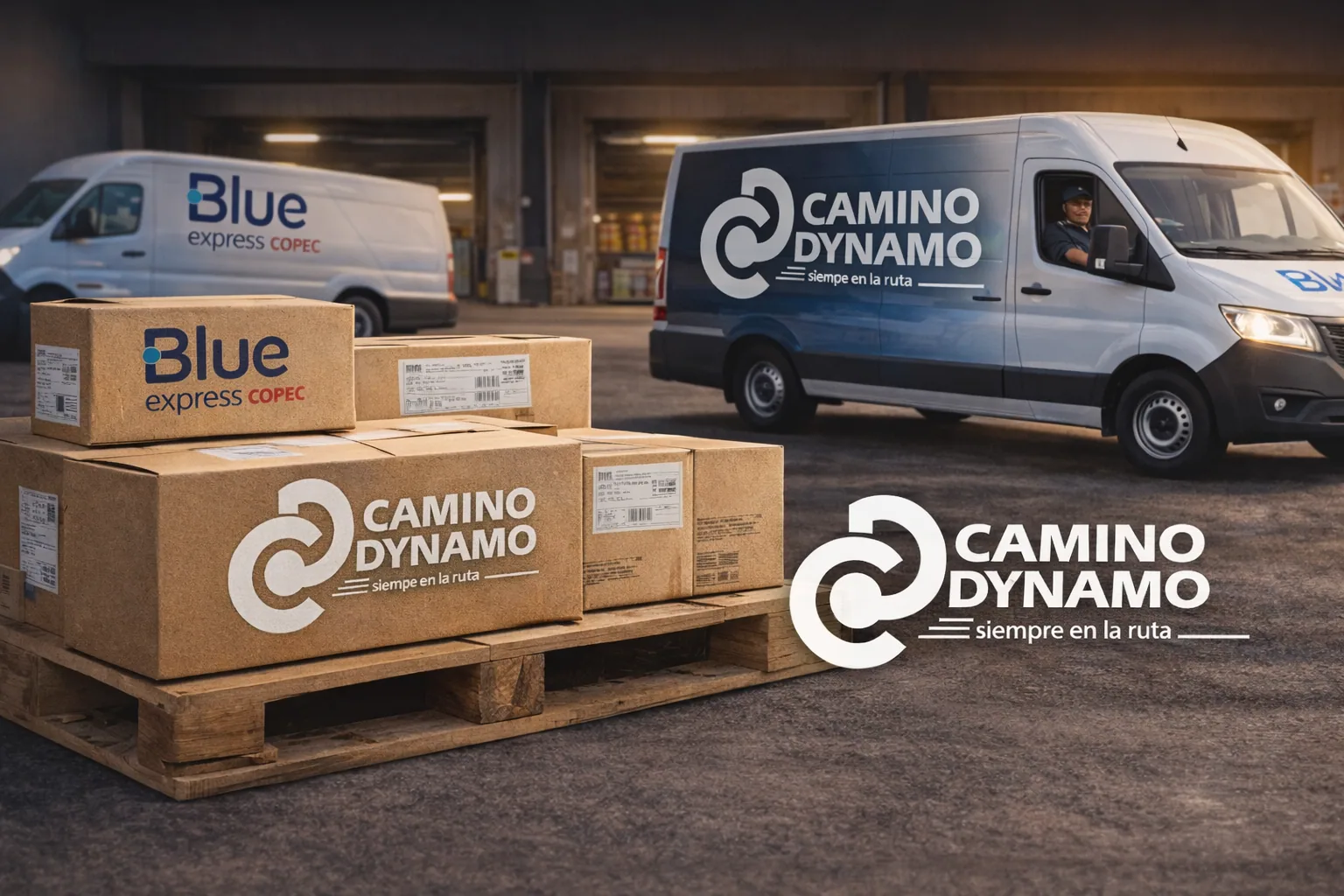
Good shipping isn't a minor detail in ecommerce — it's the final promise you make to your customer. Here's what we learned running logistics for Triballe, Mascota Vip Importadora, Mercado Libre, and Falabella.
How do we handle shipping today?
We use two carriers depending on the destination:
| Destination | Carrier | Since |
|---|---|---|
| All of Chile (outside Santiago) | Blue Express | 2020 |
| Greater Santiago | Camino Dynamo | Late 2023 |
It's not a one-size-fits-all formula, but it works in practice.
Why not use a single carrier?
Customers in Santiago expect speed. Larger carriers don't always offer the flexibility a daily operation needs. It's not a quality issue — it's about scale and bureaucracy.
With Camino Dynamo, if something goes wrong, you resolve it directly — no tickets, no support queue. That changes your day-to-day completely. Their tracking technology still has room to improve, but they make up for it with immediate problem-solving.
What did we learn from shipping ecommerce?
- Price and coverage matter, but they're not everything.
- A close relationship with your carrier is worth more than you'd expect when things go wrong.
- A two-speed system (nationwide + city) is more efficient than relying on a single provider for everything.
- Shipping should give you peace of mind, not be a constant headache.
If your deliveries are still coordinated over WhatsApp and spreadsheets, check out Despacha, the software we built to organize deliveries: it works with your own team or the courier you already use, and records every delivery with a photo and GPS.
Want to take your business online?
Tell us what you have in mind. We reply with a clear plan and a fixed price, no strings attached.